Skip to content

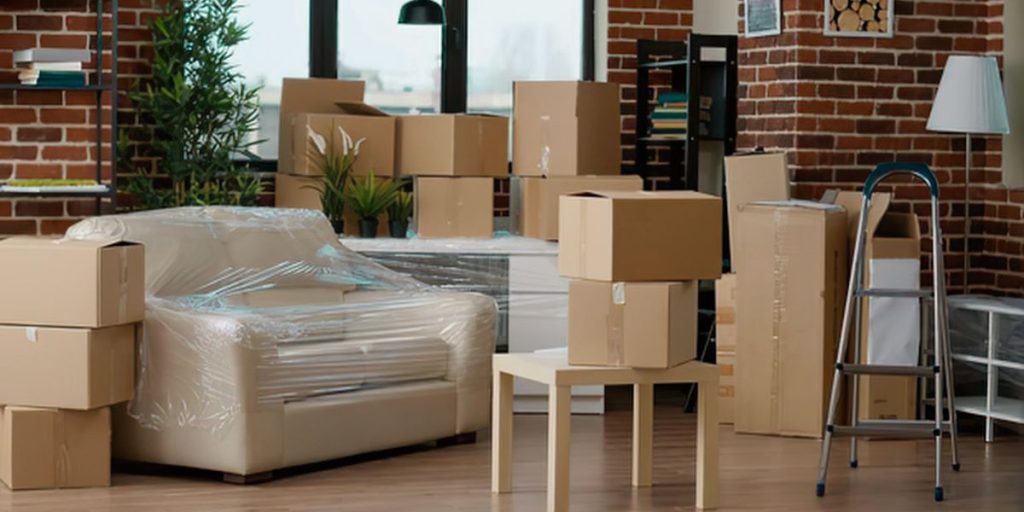
You can store multiple daily use items in a storage unit. This include furniture, clothing, appliances, books, documents and business stock. The main questions are whether the items are accepted, properly prepared and suitable for the conditions inside the unit.
A box of winter clothes has different needs from a television. A retailer’s packaged products may need different checks from household furniture.
Before arranging transport, make a list of everything you want to store. Include the contents of bags, drawers and sealed boxes. This helps you spot anything that needs separate approval before moving day.
Dubai Self Storage Solutions lists household belongings, electronics, documents, sports equipment, luggage and business stock among its accepted categories. Hazardous and perishable items are excluded. You can explore the available options through its self storage in Dubai page.
Household Furniture
Furniture is often the largest part of a household storage move. You always need a place to keep your sofa when you are renovating or moving your home and have multiple rooms full of furniture.
You can store dining tables, chairs, bed frames, wardrobes, desks and shelving units. Sofas and mattresses can also be stored long as they are clean, dry and packed carefully for storage.
Before packing any item check each one thoroughly. Empty all drawers. Remove anything loose that might move around during transport. Keep parts like screws, brackets and assembly instructions together in a clearly labeled bag.
Some furniture pieces can be moved easily if you take them apart. Only disassemble items that are meant to be taken. If you think reassembly could be hard take photos of how everything connects before you start.
Use covers to protect surfaces. Do not stick tape directly onto painted, polished or upholstered furniture. The glue, from the tape may leave marks when you peel it off later.
Tell the storage team about unusually large or heavy pieces. A table might fit inside the unit but still be difficult to move through a doorway or around a corridor.
Clothing and Household Fabrics
Storage can provide space for clothes you do not need every week. Winter coats, occasion wear, spare bedding and seasonal textiles are common examples.
Wash or dry clean all your items and then dry completely before putting them in storage boxes.
Check coat pockets and handbag compartments. Forgotten food, tissues, cosmetics or leaking pens can create problems for the surrounding fabric.
Use containers that protect clothing from dust without crushing delicate pieces. Garment boxes may suit clothes that need to hang. Folded everyday clothing can be grouped by season or family member.
Avoid filling one large box with every textile you own. Smaller, clearly labelled containers make it easier to collect a particular set of bedding or a jacket later.
For valuable fabrics, leather clothing or delicate garments, discuss the storage conditions before booking. Acceptance alone does not confirm that every available unit suits the material.
Kitchenware and Small Household Items
Plates, glasses, cutlery, cookware and many other kitchen items can be stored during moving. These smaller belongings often account for more boxes than people expect.
Clean everything before packing, including items that appear unused. Check containers, lunch bags and small appliances for food residue.
Wrap fragile pieces individually. Use dividers or cushioning to stop glasses and crockery knocking together during transport.
Keep heavy cookware in manageable boxes. A large carton filled with pans may be difficult to lift and more likely to fail at the base.
Separate kitchen equipment from pantry contents. Being able to store a cupboard does not mean everything inside it is suitable for storage.
It also helps to pack an essentials box for your next home. Always make sure you have an access to some of the basics kitchen items like plates, kettle that you immediate need after shifting.
Refrigerators and Other Appliances
You may need to store appliances during a renovation or before your new is ready. Examples include washing machines, refrigerators, microwaves and other household equipment.
Preparation depends on the appliance. Always follow the instruction given by manufacture to drain, pack, move and store your appliances.
Refrigerators and freezers must be emptied, defrosted, cleaned and dried. Washing machines can still hold water in hoses or, inside the machine after use.
Do not pack an appliance while appliance is damp. Give yourself time to prepare before the collection date.
Secure shelves, cables and accessories to prevent them from moving during transport. Label each detached part. Keep it with the correct appliance.
Give the team the appliance dimensions and explain any handling requirements. Storage is for keeping the equipment; do not assume you can connect or operate it inside the unit.
Televisions and Other Electronics
Televisions, monitors, computers and audio equipment can be suitable for storage. Their condition, packaging and storage environment deserve attention.
Original packaging is useful when you still have it. Otherwise, use protective packaging designed for the equipment rather than relying on a thin layer of wrapping.
Label cables before disconnecting them. A quick photograph of the connections can save time when setting everything up again.
Keep a record of model names and serial numbers for valuable equipment. Back up important files before storing a computer or external drive.
Check devices for removable batteries and follow the manufacturer’s storage instructions. Ask the operator about battery acceptance, particularly for larger battery-powered equipment.
If a device has a damaged or swollen battery, do not place it into storage. Arrange appropriate advice and handling before the move.
Books and Paper Records
Books, household files and business documents can take up considerable space. Storage may be useful for material you need to retain but rarely consult.
Sort papers before packing. Separate documents you may need soon from records that can remain stored for longer.
Use smaller boxes for books and paper because they become heavy quickly. Avoid overfilling cartons or leaving the base unsupported.
For business files, group records by a system your team already understands. This might be the year, department, project or document category.
Label the outside with a reference code rather than sensitive personal information. Keep a separate list showing what each box contains.
Storage does not organize records automatically. Decide who maintains the inventory and who can authorize collection, especially when several employees handle files.
Luggage and Travel Belongings
Suitcases, travel bags and packed clothing can be stored while you are between homes or away from Dubai.
Check the items in each bags and keep a record before handing it over to the provider. You may need to remove toiletries, snacks, power banks and other travel items. Discuss each item with your provider.
Always Keep passports, travel documents, essential medication, keys or anything you need during travel with you. These items can be easy to overlook when packing in a hurry.
Clean luggage after travel and let it dry before closing it. Label each bag so that you can identify it without opening several similar cases.
Plan collection around your travel arrangements. Confirm the agreed access procedure rather than assuming you can arrive at any hour.
Sports Equipment and Seasonal Items
Sports gear and seasonal belongings can occupy cupboards for months between uses.
Bicycles, golf equipment, exercise accessories and festive decorations are examples worth including on your storage list. Describe larger or unusual items when discussing the booking.
Clean outdoor equipment before packing it. Remove sand, soil and moisture from bags, wheels, shoes and protective covers.
Check camping equipment carefully. A tent and folding chairs are different from cooking fuel or a gas cylinder. Do not pack them together without checking the restrictions.
For decorations, use divided containers for fragile pieces. Remove batteries from suitable battery-operated items according to the product instructions.
Group accessories with the equipment they belong to. Keeping a bicycle pump or set of tent poles in a clearly marked place makes retrieval easier.
Business Stock and Office Equipment
A business may need space for surplus stock, spare furniture or equipment between projects. The suitability of storage depends on the actual goods.
Describe your products clearly. “Retail stock” could mean clothing, stationery, food, cosmetics or chemicals, and those categories cannot all be treated in the same way.
Provide a stock list that includes quantities, packaging and any handling or environmental requirements. Mention liquids, batteries or products with expiry dates.
Office desks, chairs and boxed supplies may be straightforward to assess. Specialist machinery or heavy equipment needs a separate discussion about access, loading and floor suitability.
Keep business stock identifiable. Use product codes and record quantities when items enter or leave storage.
Do not assume that renting space includes deliveries, stock handling, order fulfilment or permission to work from the unit. Confirm any additional activity you need before agreeing to the rental.
Items That Need a Separate Discussion
Some belongings require more than a place on a general inventory.
Artwork, antiques, musical instruments and valuable collections simply can’t fit in ordinary storage unit. They need special climate controlled unit with appropriate security and handling. Explain what the item is made from and how long you expect to store it.
For unusually heavy objects, supply the weight as well as the dimensions. For fragile items, describe how they must remain positioned.
Vehicles also need a separate arrangement. Although Dubai Self Storage Solutions offers car storage, this does not mean a car can be placed in any household storage unit.
Ask about suitability before paying for transport. Photographs, measurements and product information can help the team assess an unfamiliar item.
What You Cannot Put in Storage
There are some items that you can’t store or that are prohibited by Dubai government. These items include illegal or stolen goods, firearms and ammunition, explosives, flammable liquids, hazardous chemicals, toxic materials and gas cylinders.
You cannot also store Perishable food, live animals, plants and radioactive materials. The operator may refuse other items considered unsafe or unlawful.
Check mixed boxes carefully. Cleaning cupboards, camping bags and workshop drawers can contain restricted products alongside ordinary belongings.
Do not hide an uncertain item inside a sealed carton. Send its details to the team before packing it.
For products not clearly covered by the published list, request confirmation. A sealed package or an unopened bottle is not proof that its contents are accepted.
Build an Item List Before Choosing Your Unit
Once you know what is suitable, turn your list into a practical inventory.
Record the number of boxes and the dimensions of large pieces. Note anything fragile, heavy or likely to need to store first before the rest.
For example, a moving inventory might include a dismantled bed, a dining table, four chairs, twelve cartons and two suitcases. This will help you and the operator while storing rather than describing the load as some furniture and boxes.
Mark items that still need approval. Keep them separate from confirmed belongings until you receive an answer.
Then use the storage size guide and share your inventory with the team. Include room for access if you expect to collect individual items during the rental.
Frequently Asked Questions
Can I store the contents of an entire apartment?
Potentially, yes, if the belongings are accepted and an appropriate unit is available. List the furniture, appliances and boxes before requesting a size recommendation. Remove restricted items and keep everyday essentials with you during the move.
Can furniture and boxes go in the same unit?
They often can, subject to the operator’s approval and the needs of the contents. Arrange the load so heavy boxes cannot fall onto fragile furniture. Leave a route to anything you expect to collect before the rental ends.
Can I leave clothes inside a wardrobe during storage?
Ask the moving and storage team first. Clothing adds weight, and loose contents can move during transport. Separate garment boxes may make handling and retrieval easier. Empty drawers and cupboards where the team or furniture manufacturer recommends it.
Can I store unopened food?
Do not assume unopened food is accepted. Perishable food is prohibited under the company’s terms. Ask about any other food products before including them in your inventory, even if they are sealed and have a long shelf life.
Can I store perfumes or cleaning products?
Check the specific product with the team. Some perfumes and cleaning products contain flammable or hazardous ingredients. Send the product name and label details before packing. Do not rely on the small size of the bottle as evidence that it is suitable.
Can I store a television for several months?
A television may be suitable if it is accepted, correctly packed and kept under appropriate conditions. Follow the manufacturer’s guidance on position and environment. Tell the team how long you plan to store it and ask which available space suits the equipment.
Can I add more belongings after moving in?
Ask the operator about the process before bringing additional items. You still have to follow acceptance terms and check whether the new items can fit within allocated space. Always update your inventory after adding or removing your stuff from unit.
What information should I send about an unusual item?
Provide a clear description, photographs, dimensions and weight. Include its materials, power source and any liquids or batteries it contains. Explain special handling needs so the operator can give a useful answer before you arrange delivery.
Find the Right Storage Space for Your Belongings
Start with a clear list of what you need to store. Identify sensitive items, check anything uncertain and decide what must remain accessible during the rental.
Speak with our storage team to discuss your inventory, confirm item suitability and find an appropriate storage space.