Skip to content

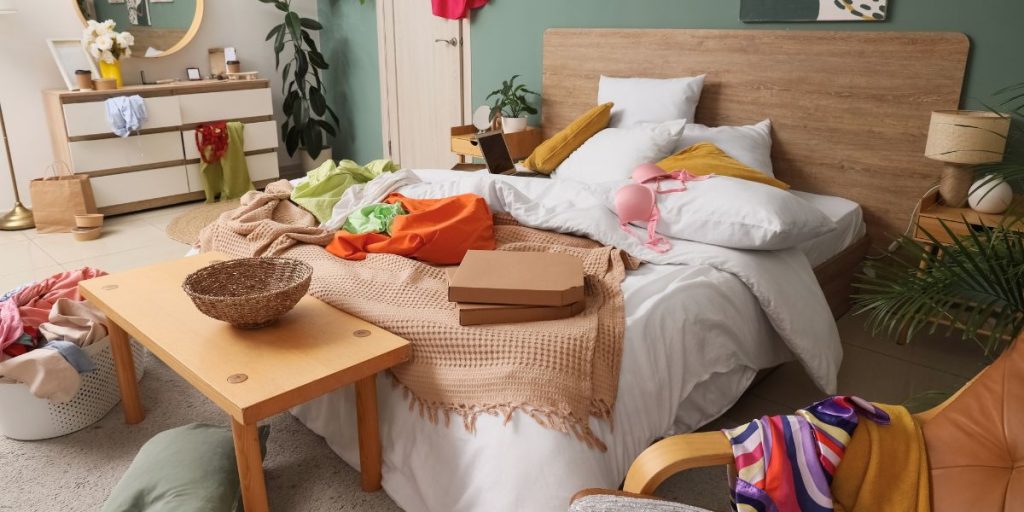
The dining table has turned into a desk. The wardrobe is full of suitcases. A spare chair is holding clothes because there’s no easy spot to put them.
There is still useful stuff at your apartments but it needs a better place. Clearing space doesn’t mean throwing everything away or getting rid of unwanted stuff.
If you’re wondering how to declutter a Dubai apartment, begin by thinking about what you really need within reach. Then sort your belongings into two groups: the ones you use now and the ones that no longer help you.
This way you create room to live comfortably. You also keep control over what stays and what gets stored.
Start With the Space You Want Back
Before you open cupboards, pick one goal. The clear goal helps you decide easily because you can see what the space must do. You may want to sit at the dining table, set up a desk, or clear the bedroom floor.
For example, if you want to clear a room for visiting family, you do not need to sort every kitchen drawer. You just need to decide where the boxes, furniture, and equipment in that room should go.
Write down the result you want in one sentence. Keep the goal realistic so you can finish it in a short session.
Take a photograph before you start. It can help you see progress when the changes happen gradually.
Work on One Small Area at a Time
If you empty every cupboard at once, it will make your space even worse. You may end up putting everything back without making a decision because of time shortage.
Divide the whole job into small tasks. Choose a drawer, shelf, or corner. Finish that area before moving to the next.
Allow time to go through everything, clean the area, and put back the things you want to keep. Twenty minutes can help if the tasks are small.
Keep a clear stopping point. You should be able to pause without leaving boxes across a doorway or belongings covering your bed.
Start with ordinary items rather than sentimental ones. Sorting spare containers or unused cables helps you build momentum before making more personal decisions.
Give Each Item a Clear Destination
A simple sorting system prevents belongings from moving between piles without getting anywhere.
Use four categories:
| Category | What belongs here |
| Keep within reach | Items you use regularly or need quickly |
| Keep elsewhere | Useful belongings needed occasionally |
| Sell or donate | Items in suitable condition that you no longer want |
| Repair, recycle or dispose of | Damaged or unusable items needing a specific action |
“Keep elsewhere” might mean a higher shelf, an under-bed container, or a suitable storage unit. It should have a real destination.
Be cautious with a large “maybe” pile. If you need time to decide, use one limited box and set a review date.
For shared belongings, involve the other person before moving or discarding them. A rarely used object may matter to someone else in the household.
Separate Everyday Belongings From Occasional Ones
Easy-to-reach space is valuable in an apartment. Use it for the things that support your normal routine.
Work clothes, everyday cookware, and frequently used devices belong where you can reach them easily. Holiday decorations, spare bedding, and occasional travel equipment may not need the same access.
Ask yourself:
- When did I last use this?
- When am I likely to need it again?
- Would I need it urgently?
- Is there a better place to keep it?
Usage frequency alone should not decide everything. Emergency supplies and important documents may be rarely used but still need to remain accessible.
Think about your actual routine. Someone who travels every month needs easier access to luggage than someone who takes one annual trip.
Reorganize the Wardrobe Around Your Current Routine
A wardrobe can look full even if a few wardrobe pieces are worn regularly.
Take out one clothing category at a time. Start with shirts, trousers, or shoes, then empty the whole wardrobe.
Return the pieces you currently wear to the most convenient shelves and rails. Group clothing by how you use it, such as for work, exercise, and occasions.
Keep clothing for colder destinations together if it is mainly used when travelling from Dubai. Put a label on them so you can find them before your next trip.
Be realistic about clothes kept for repairs. Put the items in one bag and choose a date to deal with them.
Do not buy organizers until you have sorted the contents. Measuring the remaining clothing and available space helps you avoid containers that do not fit.
Make Your Living Room Easier to Use
Look at the living room from the point of view of daily activities. Is the room comfortable enough for sitting, or do you need to shift things while moving between furniture?
Start with surfaces. Return unrelated items to the rooms where they belong. Give remote controls, chargers, and reading material a consistent place.
Next, review furniture that mainly collects clutter. A side table may be useful, but an extra chair used only for bags can create enough space for walking.
You do not have to remove every decoration. Keep the items you like to look at and make sure they have space to be seen.
For collections, consider displaying a selection and rotating it occasionally. This allows collections to keep belongings without placing all of them in the same room.
Keep the Kitchen Focused on What You Use
Kitchen cupboards often contain duplicates gathered over several years. Extra mugs, takeaway containers, and unused appliances can make everyday cooking awkward.
Sort one category together so you can see how much you own. Match containers with their lids and separate damaged pieces.
Keep the cookware and utensils that you regularly use in a visible area.
Before you take an appliance, else think about what it does. If you use a blender every morning, it needs to be easy to get to. A big plate that you only use for times can be kept further back.
Avoid moving unwanted kitchenware into another cupboard simply to clear the worktop. Decide if you want to keep it, pass it on, or arrange an appropriate disposal method.
Leave some room in cupboards so items can be removed without unpacking the shelf.
Give Children’s Belongings a Manageable System
Toys, school materials, and clothes can spread across several rooms. A system that children can understand is easier for the whole household to maintain.
Use simple groups such as building toys, drawing materials, and books. Choose containers that are easy to open and return.
For younger children, rotating a selection of toys may help reduce the number on the floor. Keep the remaining toys organized and switch them when useful.
Review outgrown clothes separately. Decide which items have a clear future use and which could go to another family.
If you keep baby equipment for later, check its condition and manufacturer guidance before packing it away. Keep instructions and parts together.
Set a reasonable space limit for saved schoolwork. A folder or memory box can preserve selected pieces without requiring every sheet to remain in daily living space.
Keep Sentimental Items Without Rushing Decisions
Family photographs, gifts, and inherited belongings hold memories and meaning. So they need a different approach than a duplicate kitchen item.
Take time and decide what you want to keep. Don’t make a final decision during your first decluttering session.
Choose a suitable container or display area for smaller keepsakes. Group related items so they remain understandable rather than becoming a box of unidentified objects.
You can photograph some belongings to preserve their appearance or story. This is an option, not a requirement to give up the original.
For larger inherited pieces, consider how they fit into your current and future home. Keeping something in suitable storage may be useful when you have a clear plan for it.
Write down that plan and review it later. This helps prevent a temporary decision from becoming an arrangement you never reconsider.
Decide When External Storage Makes Sense
External storage can help when useful belongings exceed the space available at home.
It may suit seasonal equipment, furniture reserved for a future home, or household items you need to keep during a temporary change.
Before choosing storage, finish the initial sorting. Otherwise, you may pay to move and store boxes containing things you would have decided to release.
Give each stored group a reason and an expected retrieval date where possible. “Camping equipment for winter trips” is more useful than “miscellaneous belongings.”
Dubai Self Storage Solutions offers personal storage in Dubai for household belongings, including furniture, clothing, and sports equipment. Discuss item suitability, access, and available rental options before booking.
Keep passports, essential medication, everyday work equipment, and other immediate necessities at home or with you.
Make Stored Belongings Easy to Find Again
The purpose of decluttering is to make your belongings easier to manage. Boxes that have no labels can make the same items difficult to find later.
Number each box and keep a short contents list. A phone note or simple spreadsheet is enough.
For example:
- Box 01 — winter jackets and scarves.
- Box 02 — spare guest bedding.
- Box 03 — festive decorations.
- Box 04 — books kept for later use.
Avoid writing only “bedroom” or “personal items” if several boxes could fit that description.
Take photographs before closing boxes, especially when they contain several smaller belongings. Keep related accessories together.
If you plan to rent space, use the storage size guide alongside your finished inventory. Include access room for items you will collect regularly.
Complete the Jobs That Remove Clutter
A donation bag beside the door is still taking up apartment space. A table listed for sale remains part of the room until it is collected.
Set a date for each remaining action. Arrange collection, take items to an appropriate organization, or schedule the repair you have been postponing.
Check what a recipient accepts before travelling. Items should be suitable for reuse, and damaged goods should not simply be passed on as donations.
For larger furniture collections, confirm any building arrangements that apply. Planning access in advance can prevent delays.
Give sale listings a realistic review date. If an item does not sell, decide what to do next instead of leaving it in the hallway indefinitely.
Close each task before starting another major area.
Keep the Apartment From Filling Up Again
Once you have cleared useful space, make it easy to maintain.
Assign a place for things that repeatedly end up on surfaces. Keys, shopping bags, and paperwork often need a more convenient home rather than another reminder to tidy up.
Before buying something bulky, decide where it will go. Measure that space and consider what may need to leave.
Use short reviews instead of waiting for another large clear-out. A few minutes spent returning items and dealing with incoming paperwork can keep a room usable.
Check occasional belongings when the season or household routine changes. Something useful last year may no longer need to stay.
The goal is a home that helps you live the way you want. You can keep books, things you enjoy doing, memories from your family, and items you use every day. You also make sure each part of the home has the right amount of space.
Frequently Asked Questions
Where should I start when decluttering a small apartment?
Start with one area that causes a daily inconvenience. This could be a crowded worktop, blocked wardrobe, or dining table covered in belongings. Finish sorting and organizing that space before opening another cupboard.
How can I declutter without throwing useful things away?
The simple way is to make two categories. One is the items you need daily, and the second is the items you need rarely. Keep daily items with you and place occasional items in storage. The items that you no longer need, consider selling or donating them. Don’t always think of throwing items away to make space. Placing the items at their right position helps save space, and also you can reuse them when needed.
Should I buy storage boxes before decluttering?
Sort first, then measure. Buying boxes too early can create extra clutter or leave you with containers that do not suit the remaining belongings. Reuse suitable containers where possible and buy only what the finished layout requires.
What should stay in my apartment rather than external storage?
Keep everyday essentials and anything you may need urgently within reach. This includes identification, essential medication, current work materials, and frequently used clothing. Consider your routine before moving occasional items elsewhere.
How do I declutter when my family wants to keep everything?
Start with your own belongings and shared spaces where the family agrees on a decluttering goal. Discuss problems, such as needing room for meals or work.
Let each family member take part in decisions about their items, rather than removing things without family agreement.
What can I do with sentimental belongings that take up space?
Choose which items you want to display and which you prefer to preserve in suitable containers. Photographs and written notes can record their stories. For larger pieces, consider future use before deciding on storage or passing them to someone else.
Is a balcony a suitable place for household storage?
Do not assume it is suitable for indoor belongings. Exposure to weather, dust, and moisture may affect items and packaging. Check your building’s rules and the requirements of the materials before using outdoor space as a storage area.
How often should I review belongings kept in storage?
Choose a review date that matches why you stored them. Seasonal equipment can be reviewed before its next use. Furniture awaiting a move can be reviewed when your housing plans become clearer. Update your inventory whenever items are added or collected.
Make Room for the Way You Live
You don’t have to throw away everything to make more space in your apartment. Begin with one useful goal, assign specific destinations to your belongings, and follow through on your decisions.
If you have items that you want to keep but cannot fit into your home, contact our storage team. Share your inventory and anticipated storage period to determine a suitable space.