Skip to content

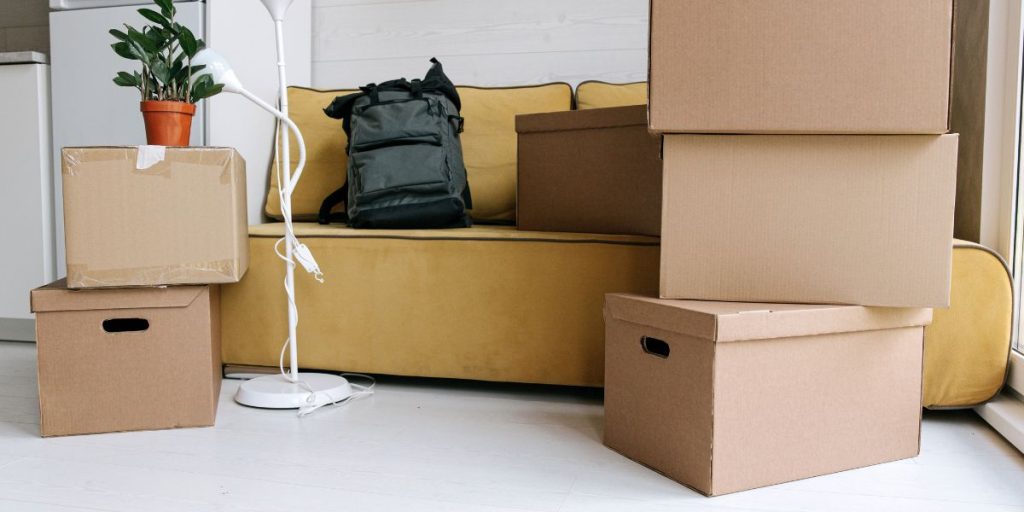
Storing your things for a few months is not just about putting them in boxes. Your possessions must be clean, dry, and stored in a way that they remain safe from any damage.
You also do not want to have difficulty finding everything after you come back. It becomes difficult to assemble a bed without its screws, and setting up a TV becomes harder if the cables are lost somewhere.
Start a week or two before moving day. Make a group of related items. Work on one group at a time. The steps below will help you prepare your things and keep them easy to find.
1. Make a List Before You Pack
Go to each room and make a list of items you want to store. Include furniture, clothes, kitchen items, books, and larger items such as your fridge.
A simple list will help you identify which items need cleaning and which require dismantling. It also helps the storage team to estimate the storage size you need.
For instance, “one bed, one sofa, and ten boxes” provides the team with more information than “some stuff from my flat.”
Photograph the large items. Measure any item that might be hard to move through a door or lift.
| Item | What to do before packing |
| Sofa | Clean it, let it dry, and choose a suitable cover |
| Bed frame | Take it apart if designed for this and label the screws |
| Fridge | Empty, clean, and dry it; follow its storage instructions |
| Clothes | Wash or clean them, then dry them fully |
| TV | Protect the screen and label the cables |
| Plates and glasses | Wash, dry, and wrap each piece |
Share the list with the storage unit staff. Inform them about any special handling requirements. Choose a storage space first before planning a move.
2. Clean Your Things and Let Them Dry
Always clean each item before packing it. Any dust, crumbs, or spillage should not remain on the items for months.
Empty all drawers and cabinets. Look inside bags, coat pockets, and suitcases too. A forgotten snack or leaking bottle can make a mess.
For furniture, use a cleaning method that doesn’t harm the surface. Follow the care label on sofa covers and other fabrics.
It is important to wash clothes, beddings, and towels before putting them inside boxes. They must have enough time to dry completely. Nothing wet should be packed.
A thicker blanket may appear dry from the outside, but it can actually still be damp in the middle. Open it out and check it before folding it away.
There should be enough time between cleaning and moving day. Washing all covers the day before the move is not wise as they may not dry up properly.
If you find mold, insects, or water damage, deal with it first. Keep the item away from the rest of the load until the problem has been sorted.
3. Get Your Furniture Ready
If you dismantle the furniture, then it becomes very easy to store and move. A bed frame or a table with legs that can be removed may take up less room.
Only dismantle those items that are made for this. Do not pull apart glued pieces or force a joint that will not move.
Before you start, take a photo or video. This will help you reassemble the furniture later.
Put screws, bolts, and other small parts in a bag. Write the name of the furniture on it.
“Bedroom bed screws” is much clearer than “spare parts.”
If you have several small bags of screws, keep them in one large box. Add that box to your list with a clear description so it does not get lost among the other things.
Use covers to protect furniture from dust and marks. Keep tape off wood, paint, and sofa fabric. Tape can leave a mark or pull the surface when removed.
Consider the position of the heavy box. Do not place them on top of sofas or other furniture with fragile surfaces like glass.
A covering only protects the surface. It cannot prevent the heavy box from pressing on it.
4. Prepare Your Fridge and Washing Machine
A fridge or washing machine needs far more prep than an empty cupboard. Before you pack, check both the inside and outside to make sure every surface is bone-dry. And always read the manufacturer’s instructions for that specific appliance before you start.
Fridges and Freezers
Remove the food first. If there’s ice inside, let it melt completely—then wipe and dry the interior.
Be careful of the shelves, corners, and rubber strips around the door.
In case your refrigerator is fitted with a water pipe or an ice maker, make sure you read the instructions on how to shut it off and drain it. Seek professional assistance in case of doubt.
Follow the manufacturer’s recommendation regarding keeping the doors open while storing the appliance for proper airflow. Make sure that the doors are secured properly.
Do not store any food items in the refrigerator or use it for storing food during storage.
Washing Machines
Follow the machine’s instructions for emptying water out of the hoses and machine parts.
Some washing machines require the use of special bolts to keep the drum stationary while moving. The drum is the part where you put the clothes for washing.
Ensure that you use the specified bolts if needed. However, they should all be removed before using the machine again.
Tape a quick note to the washing machine listing what needs to be done before you turn it on. Keep a copy of those instructions with your moving papers, too.
5. Pack Clothes, Bedding, and Smaller Items
Once everything is clean and dry, you’re ready to pack. Use clean storage boxes or sturdy containers, and always group similar items together—spare bed sheets in one box, winter clothes in another. This saves you from tearing open every box later just to find one item. And remember: if a box is too hard to close, don’t force it. Pack a separate box instead.
Clothing bags that are vacuum-packed are effective in saving space for some types of clothing and bedding. However, they do not work on all fabrics. Follow the care advice before packing soft or easily damaged items tightly for months.
Plates, Glasses, and Kitchen Items
Wrap every fragile item separately, and cushion the gaps with soft packing material so nothing knocks together. Fill any empty space inside the box—a few loose glasses in a large box will slide around if nothing holds them in place.
For heavy pans, stick to small boxes. Carrying one oversized box full of cookware is a backbreaker.
Books and Photos
Books get heavy fast, too. Stick to small, sturdy boxes and stop packing before they’re too heavy to lift.
Keep all books and papers completely dry. For old family photos, use dedicated photo storage boxes so they don’t stick or curl over time. And if there’s any chance you’ll need important documents while your things are in storage, keep them with you instead.
TVs and Other Devices
Always use the original packaging if you still have it. Otherwise, use proper packing boxes made for these.
Plug insulators should be packed away from the screen, and no other box should be placed next to the television set.
Before unplugging the cables, take a picture of the cables and label them. Keep the cables in a separate bag along with the remote control.
A backup copy of important computer files should be stored before keeping the computer away. The device’s battery instructions should be followed.
6. Write Clear Labels on Every Box
A box marked “stuff” will be hard to recognize several months later. Write what is inside. Add a number so you can match it to your list.
For example:
- Box 01 — kitchen plates and bowls.
- Box 02 — guest bed sheets.
- Box 03 — winter coats.
- Box 04 — TV cables and remote.
Write on the top and at least one side. This way, you can still know which box it is even when there is another box on top.
Keep the box list on your phone and save a second copy somewhere you can reach.
You can also take a picture before sealing each box. This is especially useful when the box contains several items.
7. Arrange the Storage Space Carefully
Good packing helps, but the right storage space must suit your stuff.
Tell the team if you are storing wooden furniture, leather, a TV, or old photos. Ask how the space manages heat and damp air.
Dubai Self Storage Solutions offers climate-controlled storage. Ask the team which option suits the items on your list.
In the unit, put the heavy boxes below the light ones. Keep stacks steady and do not stack above what the boxes can safely hold.
Leave enough space to access items that you might need early. Your parts box, extra clothes, or travel bag should not sit behind a large sofa.
The mattresses have to be placed as instructed in the care instructions. Never fold or roll them if it is not indicated in the care instructions.
Take a picture before leaving and add a note to the list like “winter clothes close to the front.”
8. Check Your Things While They Are Stored
Ask the team about access timing and visit the facility to check your belongings.
Look for wet patches, damaged covers, or boxes that have started to lean. Tell the storage team if something seems wrong.
If you take an item home, remove it from your list. This stops you looking for it in the unit next time.
Keep the following in one place:
- Your list of items and box numbers.
- Photos of the packed unit.
- Furniture and machine instructions.
- Details of where the screws and small parts are.
- The storage team’s contact details.
If someone else will visit on your behalf, provide the details of that person. Give that person the box number and a clear description of what to collect.
Frequently Asked Questions
How early should I start packing for storage?
Start at least two weeks before so you have enough time to clean and fully dry your things. Pack items you rarely use first. Leave daily items nearer to moving day.
Can I leave clothes inside a wardrobe?
First, check with the movers. Clothes will increase the load and can shift during the move. Separated boxes may help in the transport of furniture and also help in locating your clothes.
Should I wrap everything in plastic?
No. Different items need different covers. Use packing that is appropriate for the materials, and ensure everything is dry before sealing it into a bag or box.
Can I store a mattress on its side?
Follow the instructions for your mattress. Some need to lie flat. Don’t choose position because it saves space.
How do I stop screws and cables getting lost?
Put them in clearly marked bags. Write which item each bag belongs to. Add their location to your main list.
Will a cool storage room dry wet clothes?
Do not rely on it for that. Dry clothes and bedding before packing them. Wet fabric inside a closed box can still develop problems.
Have Your Things Ready When You Need Them Again
Before the final box is closed, check your list. Can you find the bed screws, clean sheets and TV cables?
Those small details make it easier to use your things again.
Dubai Self Storage Solutions provides personal storage in Dubai for furniture, clothes and other household items.
Speak with our team about what you need to store and how long you need the space.